Pillar 03: The Resilience Dilemma: A Geospatial and Institutional Inquiry into Taipei’s Disaster-Mitigation Urban Renewal
- Project Type: Empirical Social Inquiry (Collaborative Research)
- Academic Honor: National Award Winner, National High School Essay Competition (全國高級中等學校小論文寫作比賽 得獎作品)
- My Role & Focus: GIS Geospatial Analyst, Regulatory Policy Review, and Public Administration Synthesis
The Catalyst: Living atop an Aging Fault Line
Taipei is a city defined by seamless daily livability and vibrant cultural heritage, yet underneath its dynamic pulse lies an alarming structural vulnerability. In April, when the violent shaking of the 0403 earthquake rattled the capital, it forced a sobering question to the surface: How long can a dense metropolis survive when its physical foundation is aging far faster than it can be renewed?
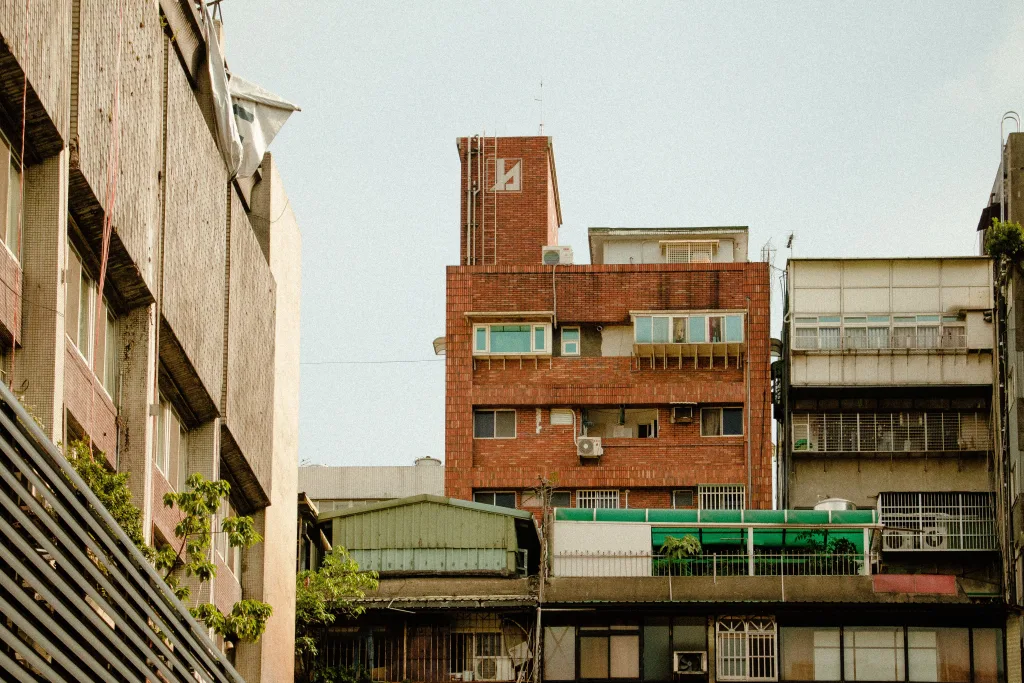
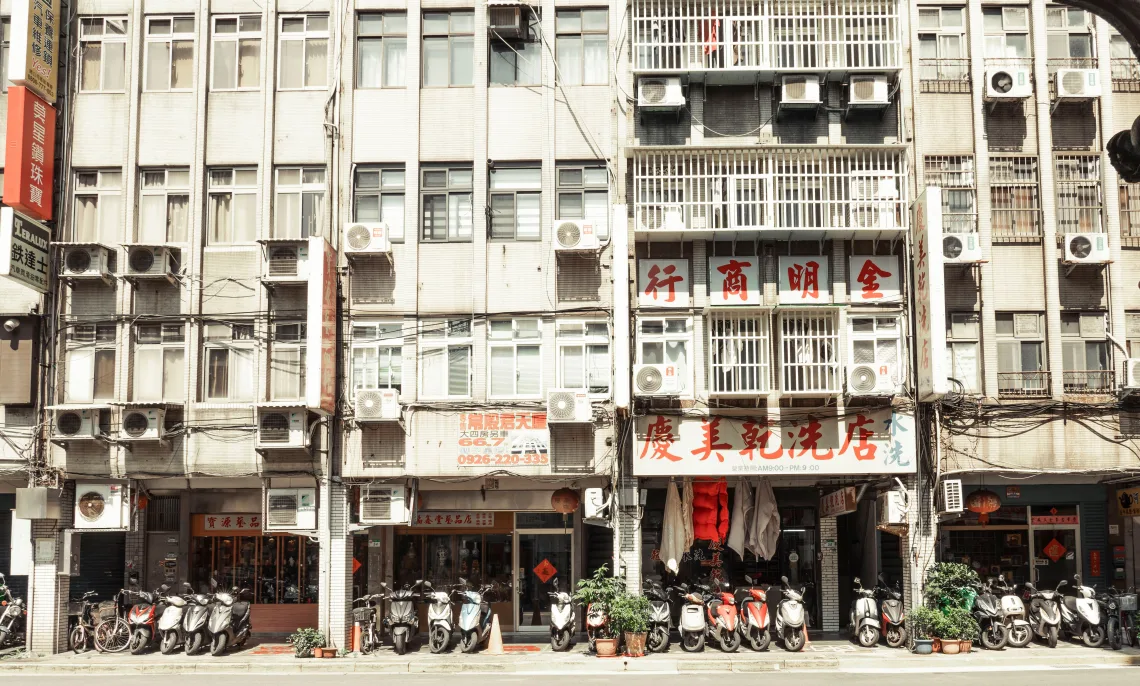
Following the devastating 1999 Jiji (921) Earthquake, Taiwan enacted rigorous modern seismic codes. However, walking through Taipei’s central districts today reveals a stark gap between legislative intent and physical reality:
The Aging Metropolis: Over 71.6% of Taipei’s housing stock exceeds 30 years, with the average building age reaching 36.87 years—the highest among Taiwan’s major municipalities. Nearly 8 in 10 households reside in structures built before modern seismic standards.
The 800-Year Stagnation:With approximately 900,000 households and fewer than 20,000 units reconstructed over the past two decades, fully renewing the capital at current rates would theoretically require nearly 800 years.
Demographic Entrapment: Combined with record-low fertility rates and a rapidly aging citizenry, local communities increasingly lack the private capital and organizational momentum required to initiate large-scale reconstruction.
Driven by a responsibility toward my home city, me with my inquiry team to investigate the spatial and institutional bottlenecks paralyzing Taipei’s urban renewal, specifically examining why disaster-mitigation policies fail to reach the most vulnerable neighborhoods.
The Methodological Turning Point: From Bureaucratic Fog to Open E-Data & GIS
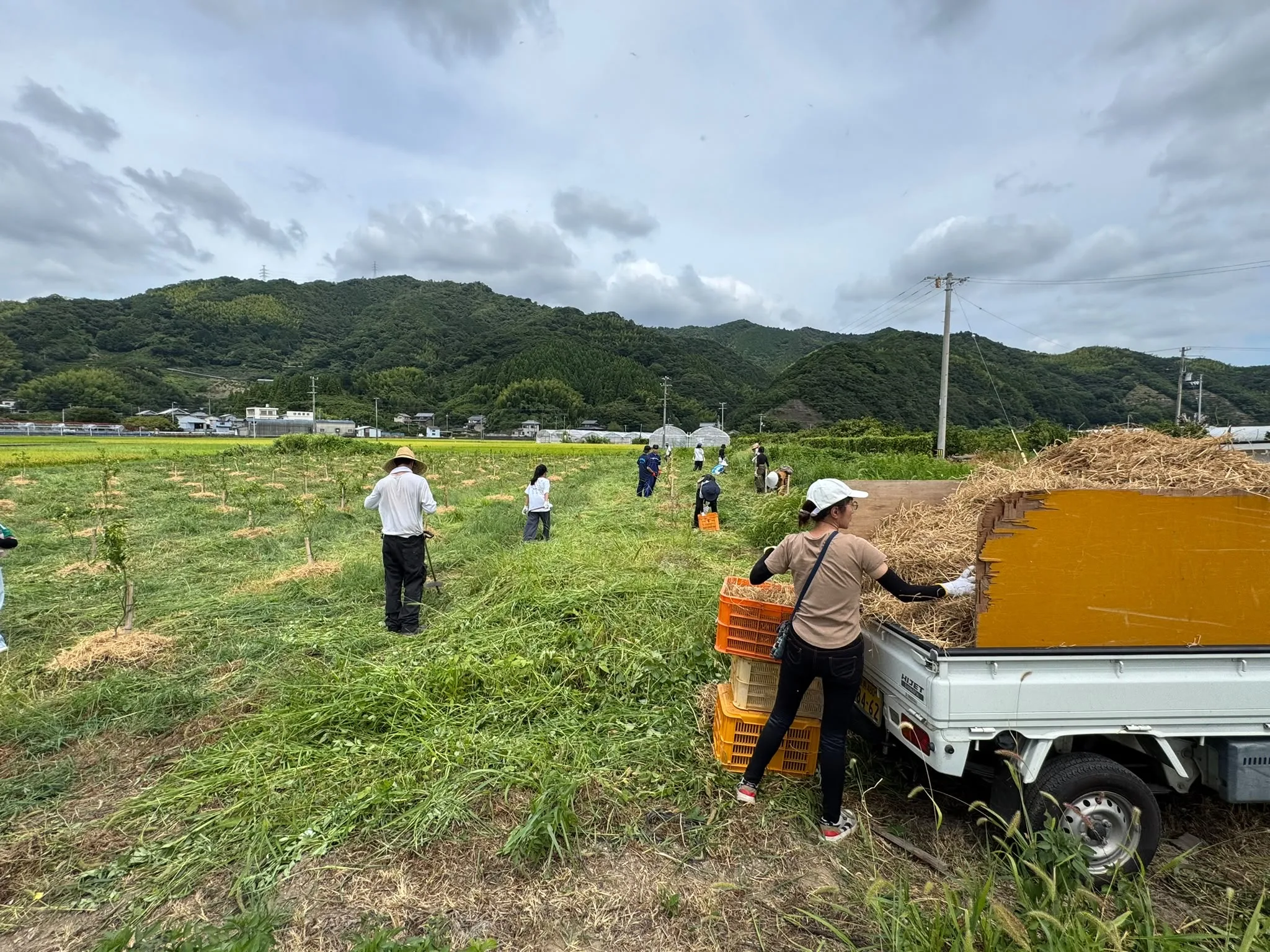
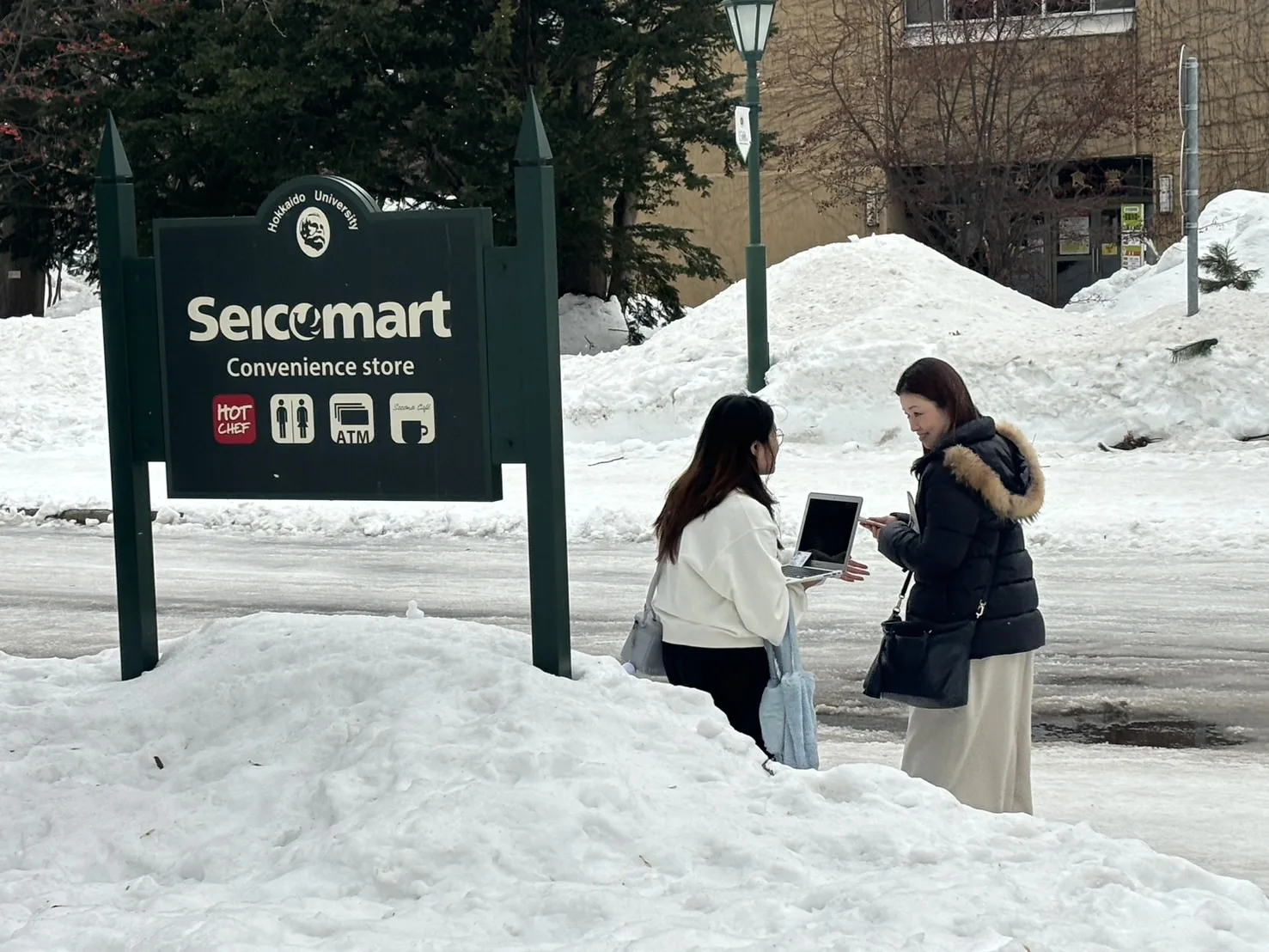
Our research began not behind computer screens, but in the field—where we immediately collided with the realities of urban politics. To understand why private developers avoid renewing high-risk old residential clusters, we initiated cold-calls and direct inquiries to construction and renewal firms. We were met with total silence and polite rejections; proprietary profit margins and delicate landowner negotiations were closely guarded secrets. Pivoting to grassroots governance, we knocked on the doors of local Borough Chiefs and combed through extensive municipal public hearing archives . While these qualitative documents exposed intense citizen anxiety and administrative deadlock, the sheer fragmentation of local disputes threatened to derail our research into subjective speculation.
Recognizing that we needed an objective empirical anchor within strict academic timelines, we executed a critical methodological pivot:
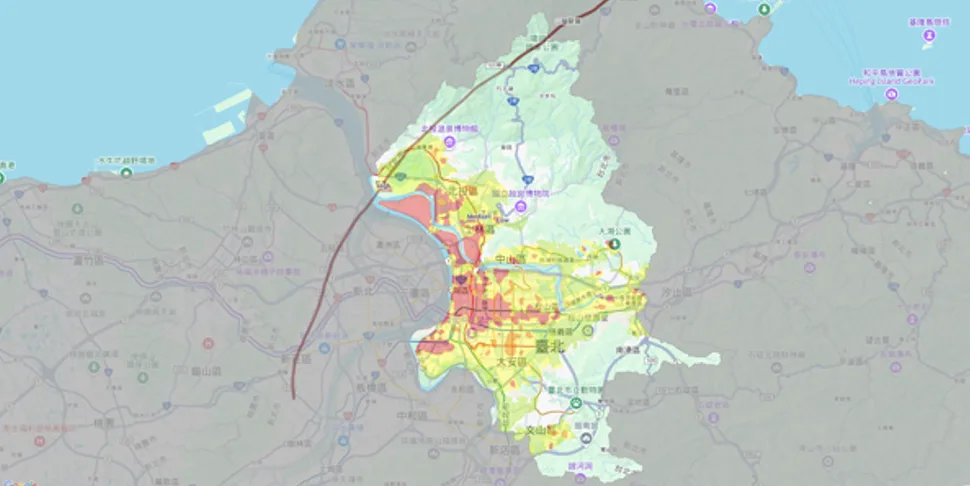
- Harnessing Municipal Open E-Data: We mined structural registries and building-age data from the Ministry of the Interior’s Real Estate Information Platform, alongside 3D geological hazard vector layers from the Taipei Emergency Operations Center and Urban Development Review portals.
- Geospatial Overlay (GIS): By superimposing subsurface geological threats onto cadastral housing datasets, we transformed chaotic administrative discourse into rigorous spatial evidence.
What the Data Revealed to Me: The Da’an Paradox
I extracted building-age registries from the Ministry of the Interior’s Real Estate Information Platform and overlaid them with 3D soil liquefaction susceptibility and active fault models from municipal emergency databases.
When I rendered the layered map in GIS, the contradiction was striking:
–The Geological Trap:
The Taipei Basin sits on an unconsolidated soft clay layer up to 700 meters deep, heavily prone to seismic wave amplification (the Basin Effect) and cyclic liquefaction.
–The Geographic Mismatch:
Da’an District—widely regarded as a prosperous, prime residential core—exhibited the city’s highest concentration of 30+ year-old homes (>89%), with dense clusters of 45+ year-old housing sitting directly atop high-risk soil liquefaction zones.
–The Market Blind Spot:
When I cross-referenced this with active urban renewal units, I found that out of only 117 active sites across the old central districts, nearly all were clustered along high-value commercial boulevards. The fragile residential alleys where liquefaction posed an immediate structural hazard were completely bypassed.
Deconstructing the Policy: Why Incentives Fail on the Ground
Digging into Taipei’s Disaster-Mitigation Urban Renewal statutes,
I uncovered why policy tools were failing to redirect capital to these vulnerable pockets:
- The Incentive Paradox: While the policy offers an appealing +30% base Floor Area Ratio (FAR) bonus, qualifying requires meeting rigid criteria across four separate dimensions (structural safety, climate adaptation, urban mitigation, and environmental design). Because review standards lack transparent, quantitative rubrics, review committees often approve only partial bonuses, causing private developers to withdraw due to uncertain returns.
- Unbearable Friction for Residents: Requiring elderly homeowners to fund and coordinate formal preliminary structural evaluations ($I_D \le 0.35$) before application created an insurmountable upfront barrier.
- Passive Governance: The system was built on waiting for voluntary private applications, rather than empowering the city to intervene where physical danger was highest.
My Personal Takeaway: The Human Art of Public Administration
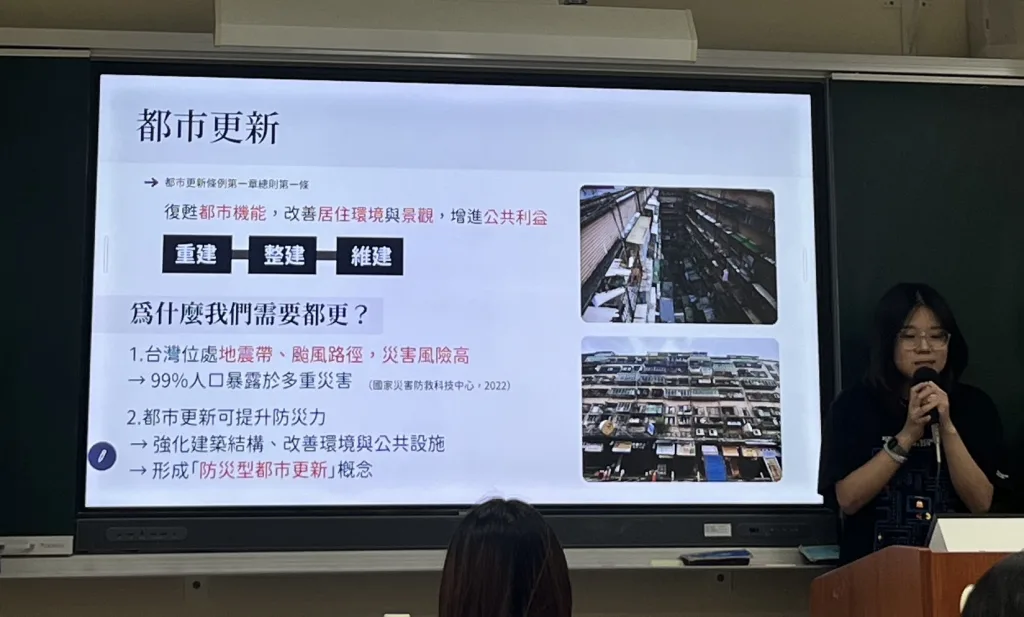
This inquiry, which went on to win an award in the National High School Essay Competition, taught me far more than spatial cartography or legal interpretation. It reshaped how I view governance:
Navigating Irreconcilable Logics: I realized that urban renewal gridlock does not happen because people are unreasonable. Private developers operate under financial survival and capital risk, while residents are protecting their life savings and emotional ties.The Role of Public Servants: I came to understand the distinct responsibilities required within public administration:
Political Appointees must have the vision and political resolve to initiate proactive public-led renewal in compound-hazard zones, bearing accountability rather than hiding behind market consensus.
Career Civil Servants serve as the neutral anchor, upholding procedural fairness and technical safety standards ($I_D$ indices) without yielding to commercial or political pressure.
A Broader Vision: True resilience requires moving beyond seismic defense to incorporate urban floodplains and steep-slope hazards across Taipei’s peripheral districts.
Looking Forward—–
This project convinced me that solving complex societal crises requires bridging hard quantitative data with deep institutional empathy. It solidified my commitment to pursue interdisciplinary studies in public policy, urban governance, and data analytics at the university level.