Pillar 02: Beyond Stereotypes — What Fieldwork in Hokkaido Taught Me About Cultural Complexity
1.The Spark: Questioning a Universal Label
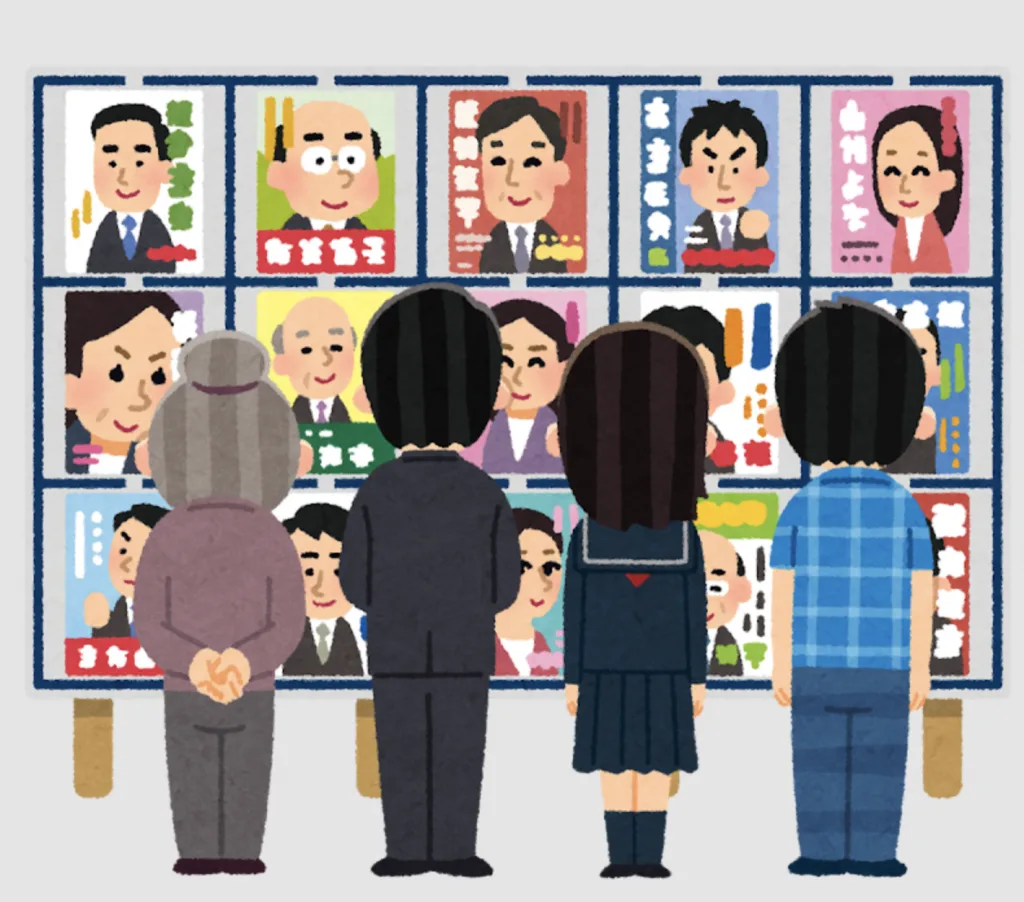
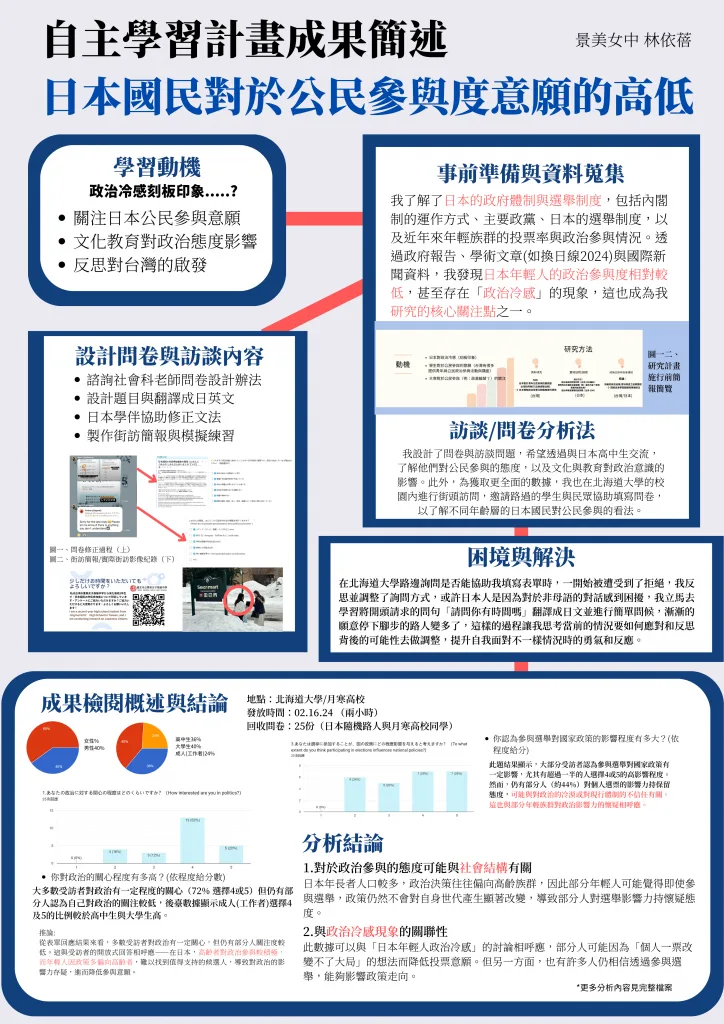
Growing up, whenever Japanese civic participation was discussed in class or media, one narrative dominated: “Japanese youth suffer from extreme political apathy. Having the opportunity to join the Global Youth Citizen Program hosted by Hokkaido University, I refused to accept this stereotype at face value. I wanted to ask: Is it truly apathy, or are we judging another society through our own regional bias?
2.The Turning Point: Lessons in Communication & Cultural Empathy
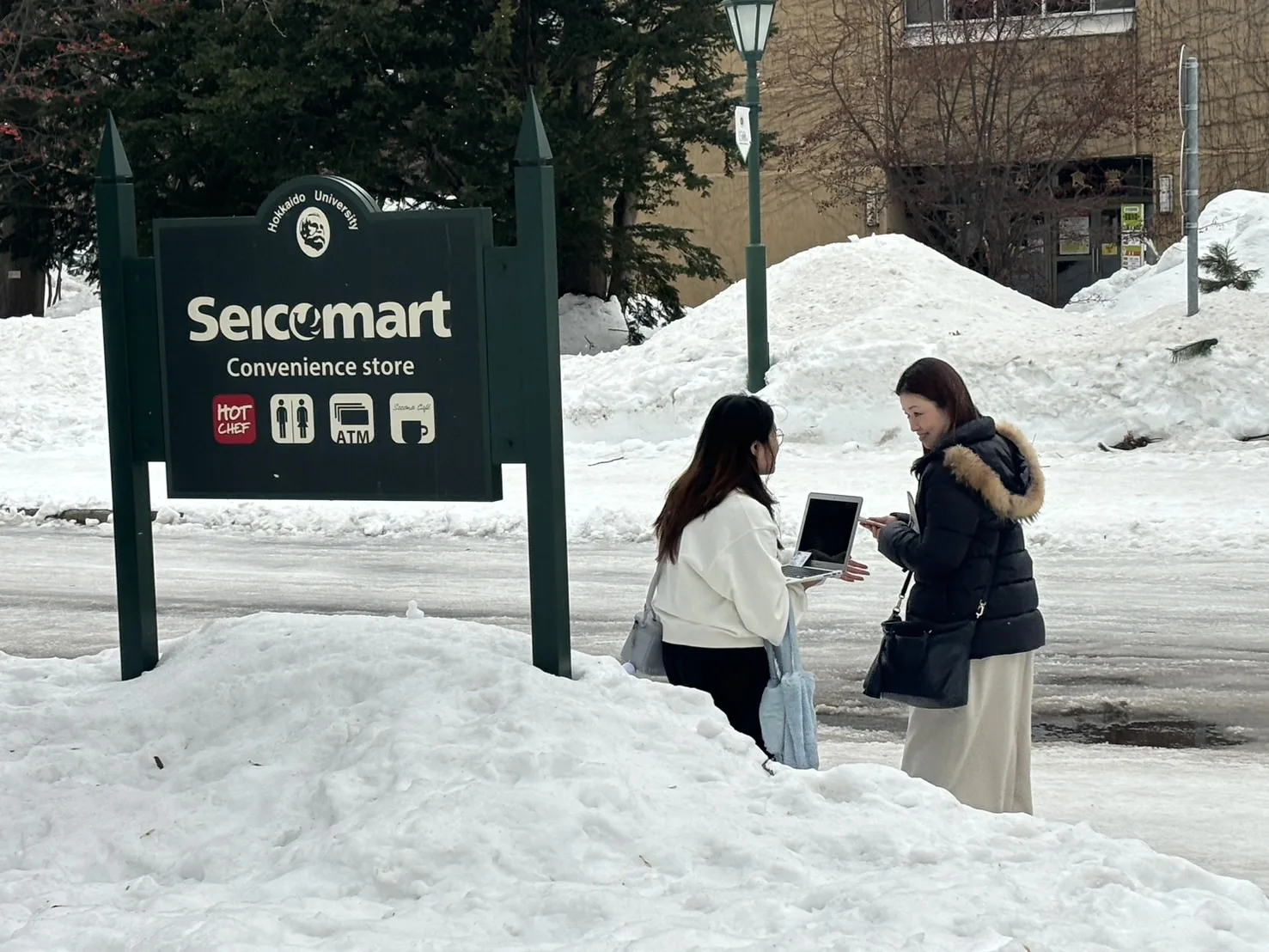
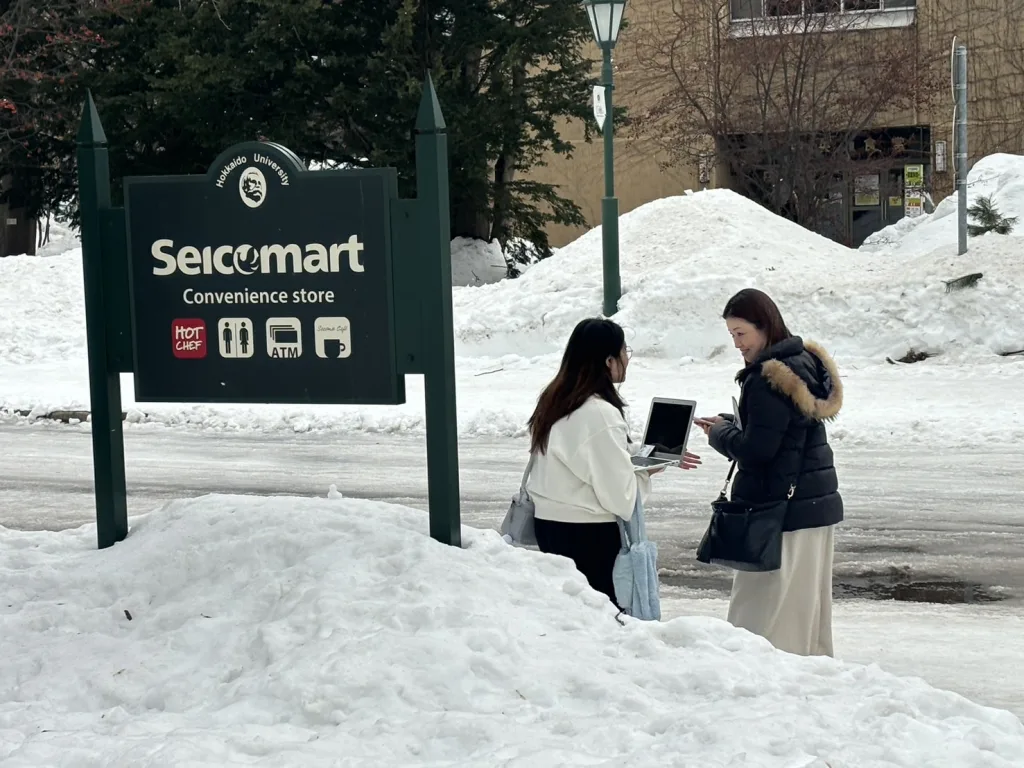
Designing a bilingual survey in Taiwan was a start, but executing field research in Hokkaido was a real-world reality check. When I first approached locals at Hokkaido University in English, I was met with constant rejections.I realized that approaching Japanese locals in English forced an unintended barrier upon them. Adapting immediately, I learned basic, polite Japanese greetings (“Are dake o-jikan wo itadaitemo yoroshii desu ka?”) to bridge the gap. The atmosphere shifted instantly. People stopped, listened, and shared their genuine thoughts. I learned that to understand a culture, you must first respect its emotional and linguistic landscape.
3.The Structural Discovery: Understanding “Silver Democracy
High Interest vs. Media Stereotypes: 72% of respondents (18 out of 25) reported a high level of political interest (rating 4 or 5 out of 5). They were far from “cold” or “apathetic”.
The Efficacy Divide: While 56% believed elections influence national policy, 44% held significant reservations (rating 2 or 3 out of 5).
Qualitative open-ended responses in my dataset exposed the human reality behind these numbers—a structural trap known as “Silver Democracy”:
“In Japan, the young population is very small compared to the elderly. Because many politicians advocate policies that benefit seniors, not many people vote for youth-centered issues. That is why I feel politics won’t change much even if we vote.”— Female University Student Respondent
“I feel casting a single vote won’t make a big difference or change other people’s minds.”— Male Grade 10 Student Respondent
Conversely, other respondents provided strategic counter-perspectives on civic leverage:
“I vote because politicians only create policies targeting the age groups that actually turn out to vote.”— Male University Student Respondent
“Even if individual power is small, Japan will never change unless each person takes responsibility to think about politics step by step.”— Female Working Adult Respondent
My Deepest Epiphany:
What external media labels as “youth apathy” is not laziness or indifference. It is a rational, structural reaction to demographic skew. Young people feel trapped in a system where their demographic minority status diminishes their electoral leverage, generating systemic frustration rather than genuine coldness.
4.What This Project Taught Me: The Vastness of Academic Inquiry
Beyond the social insights, this project was a powerful reality check regarding my own academic toolkit:
Bridging Macro Demographics with Micro-Fieldwork:
Conducting an exploratory field survey with 25 intergenerational respondents taught me that abstract demographic datasets only tell half the story. The value of grassroots inquiry lies in uncovering the nuanced attitudes, generational anxieties, and civic motivations that large-scale macro statistics often overlook.
The Nuance of Japanese Area Studies & Civic Dynamics:
Truly deciphering civic behavior requires contextual literacy in Japan’s electoral mechanisms, regional aging patterns, and post-war socio-political culture. This field inquiry demonstrated that public disengagement is rarely simple apathy, but rather a rational response shaped by underlying structural and institutional incentives.
The Depth of Japanese Area Studies:
Truly understanding civic behavior requires deep literacy in Japan’s history, electoral systems, and demographic structures.
5.From Field Researcher to Primary Exhibition Curator
Realizing that academic insights shouldn’t stay buried in spreadsheets, I synthesized our field data into analytical posters. Driven to share these findings, I competed for and was appointed as the Primary Exhibition Curator for the final program showcase.
In this role, I designed the visual narrative and infographics, translating complex demographic data into an engaging exhibition for the entire school community—transitioning from field researcher to public communicator.
6.Passing the Torch: Mentoring the Next Generation
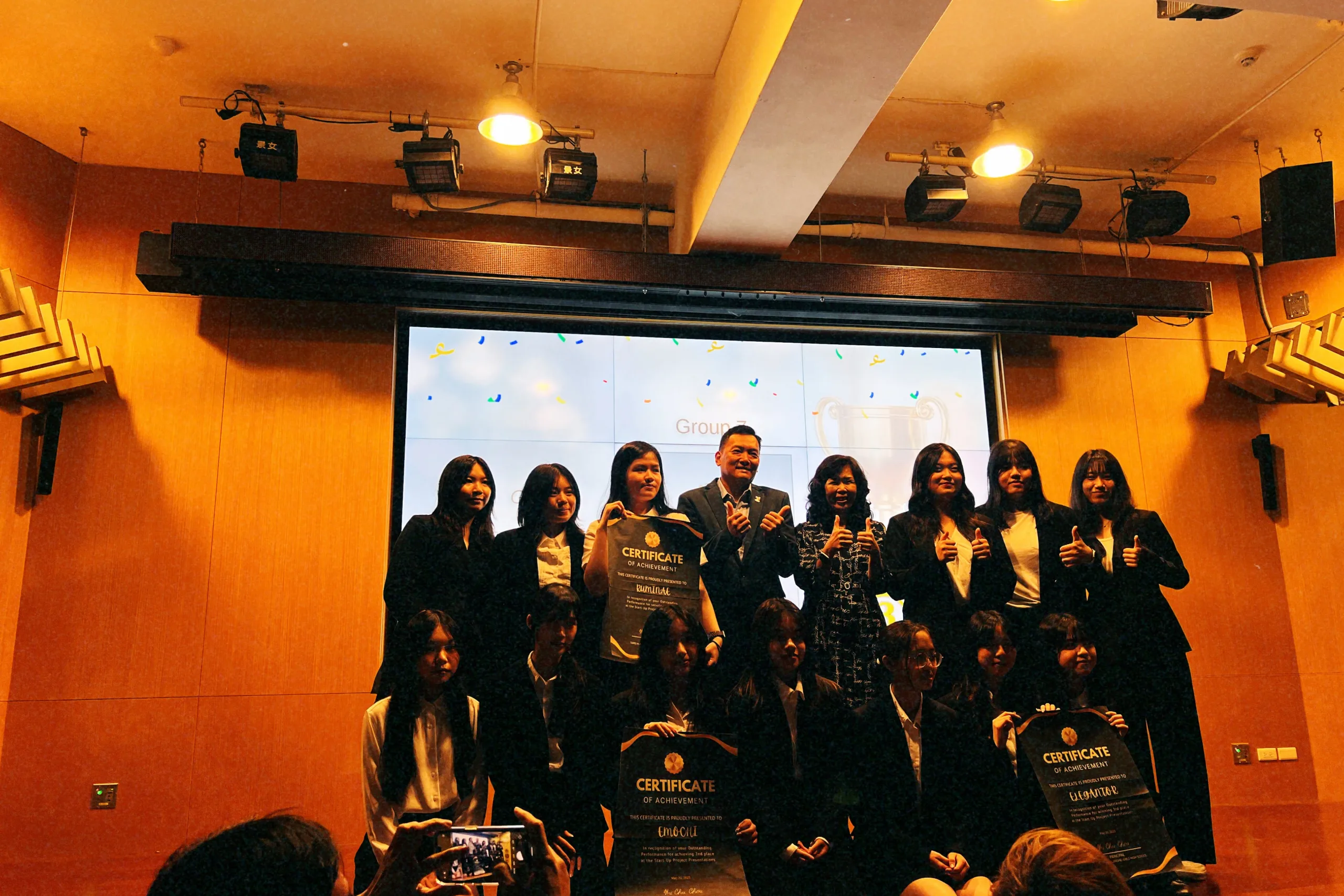
Recognizing my presentation skills, the Taipei City Department of Education invited me to serve as a student mentor for junior high school students. In this role, I led workshops and guided younger learners through their self-directed projects:
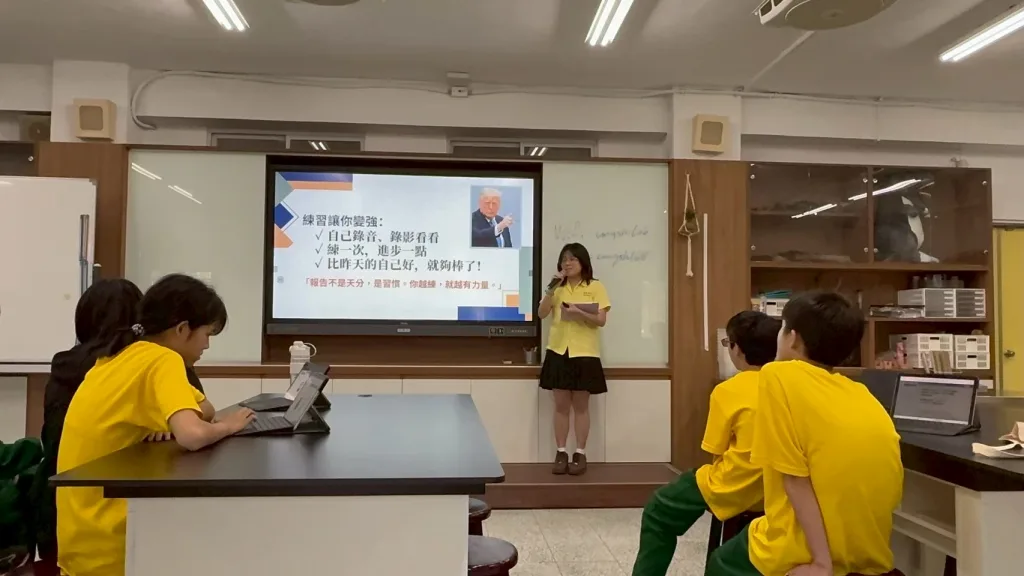
Workshop Facilitation: Taught junior high students how to structure inquiry projects and build compelling slides.
Mentorship & Certification: Guided teams all the way to their official final showcase, earning an official mentorship certification.
This experience proved that true mastery of knowledge isn’t just about learning—it’s about empowering others to find their voice.
7.Lifelong Impact: A Commitment to Continuous Growth
This journey taught me that real academic inquiry isn’t about having all the answers, but asking better questions. Moving forward, I am committed to ongoing intellectual inquiry—using my weekly perspective column as a living archive to continuously observe, analyze, and write about pressing global and cultural challenges.