Pillar 01: From Concept to Fieldwork — My Journey of Reframing Surplus Food
Executive Summary
Can a business idea transform from a classroom project into a real-world inquiry?
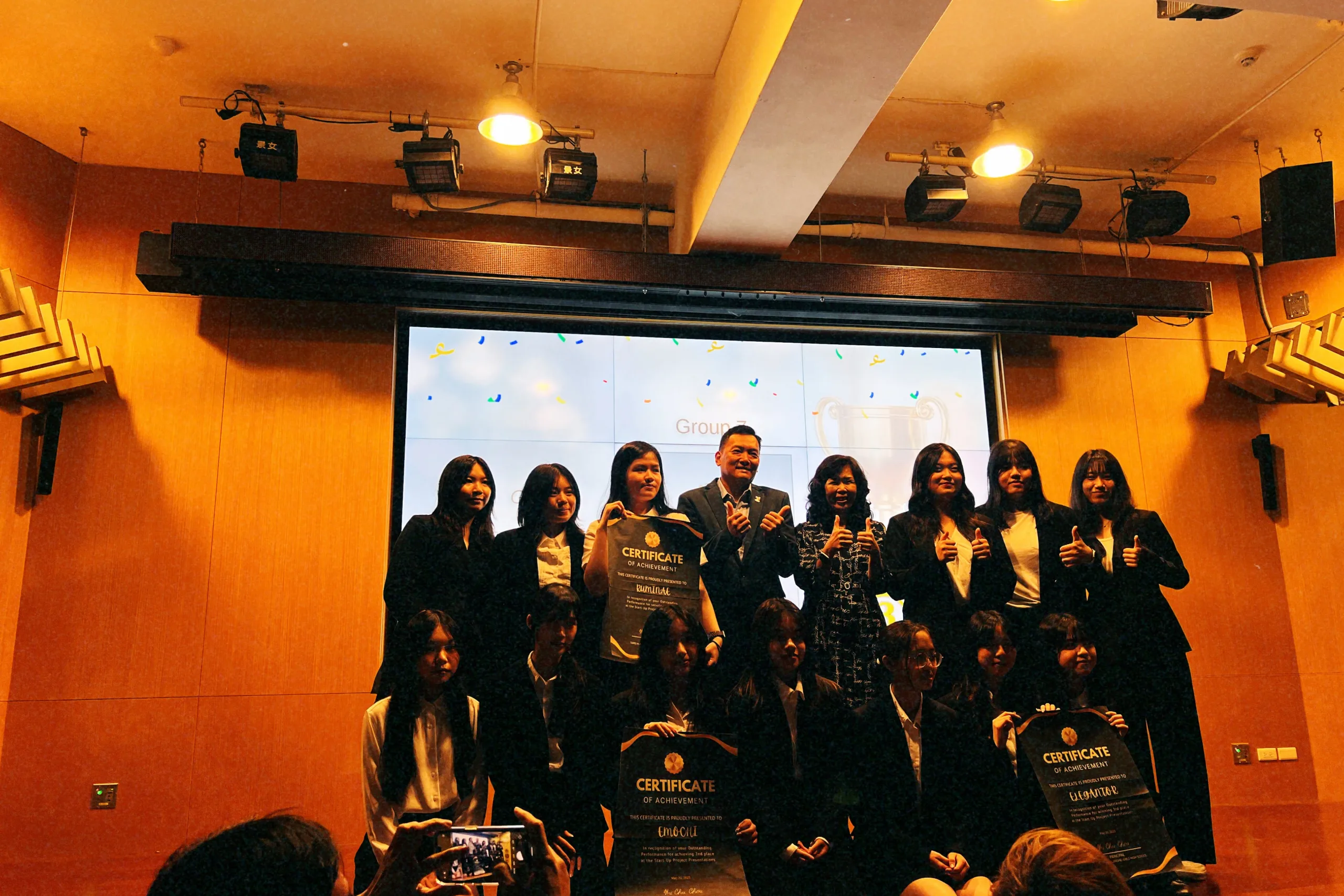
My journey with Ruminae wasn’t just about winning 1st Place among 200 investors at our academic pitch. As the Chief Technology Officer (CTO), it was a transformational process of questioning assumptions, navigating technical and commercial friction, and moving from digital interfaces directly into the agricultural fields of Japan
Phase 1: The Spark & The Mindset Shift
It began with a corporate visit to E.SUN Bank, where I witnessed how financial institutions align with SDGs. Returning to my high school, my team began looking at local issues through SDG 2 (Zero Hunger) and SDG 12 (Responsible Consumption). When brainstorming names, we kept hitting dead ends. Nothing captured our intent until the term Rumination was brought up. To humans, “rumination” sounds strange. But that was precisely the point: people treat surplus food as unwanted “leftovers” simply because of misaligned perceptions. We realized our mission was not just selling cheap food, but reframing public perception.
Phase 2: Facing Reality & System Design
As CTO, my biggest initial shock was realizing that we were not the first to attempt a surplus food platform.
How could we offer genuine innovation rather than a copycat app?
To resolve this, I conducted a deep study into Spotify’s business ecosystem. Just as Spotify gave independent artists a stage, Ruminae could give overlooked local flavors a second chance. I worked through weeks of iteration to design a system that balanced commercial viability with social empathy:
Iterative Feature Design: Introduced customizable allergy filters to solve safety concerns for mystery boxes and built real-time store crowd tracking for pickup efficiency.
Quality Assurance: Designed a feedback-driven mechanism where consistently low-rated vendors are phased out to build long-term platform trust.
Social Safety Net: Partnered with disadvantaged community members for local deliveries, turning carbon reduction into local employment opportunities.
Phase 3: The Pitch & The Unanswered Question
Pitching Ruminae in English under tight time limits forced me to distill complex ideas into compelling stories. Winning 1st Place among 200 investors proved that environmental sustainability could be backed by solid commercial logic.
However, despite our success on stage,
I felt a gap in my understanding: Is solving food waste on a mobile app enough if I don’t understand where the waste originates?
Phase 4: Taking Action — Pursuing Upstream Answers in Tokushima (Japan)
Driven by this question, I refused to let Ruminae remain just a classroom exercise.
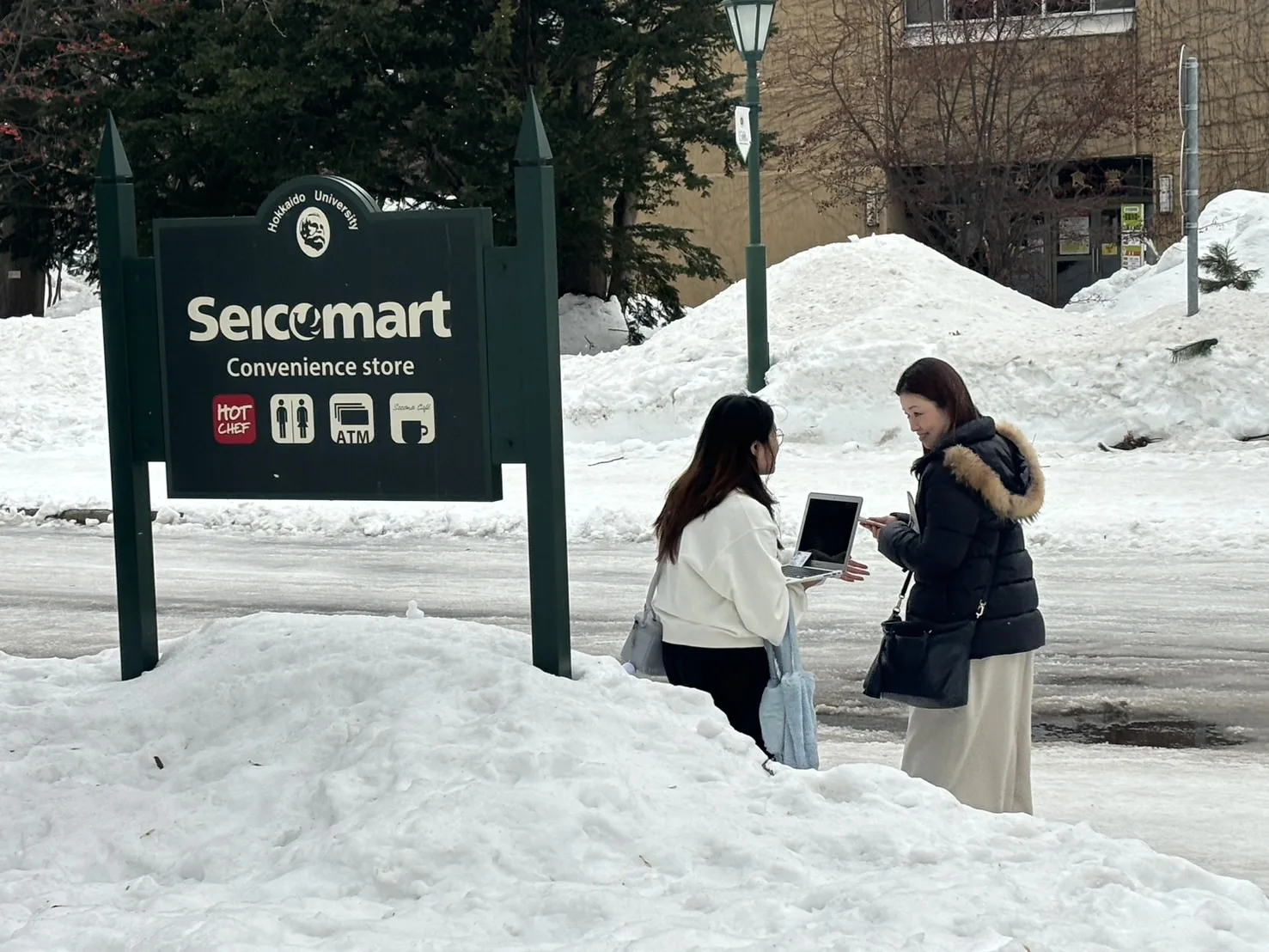
To understand the structural root causes of food waste beyond digital interfaces, I actively sought out and applied to participate in an agricultural volunteer program in Tokushima, Japan. My goal is to observe the upstream supply chain firsthand—exploring how agricultural standards, climate factors, and distribution systems create surplus before food ever reaches consumers.
Key Reflection: Human Inquiry in the Age of AI
In an era where AI can quickly draft business models, this journey taught me that true Liberal Arts inquiry requires physical engagement, constant self-questioning, and continuous action.From analyzing financial sustainability in a classroom to taking initiative for international agricultural volunteer work, I learned that real solutions lie at the intersection of technology, commercial empathy, and cross-border human connection.